.svg)


.svg)


Tips for Seniors
Protect Yourself from Health Care Fraud
2025/09/02
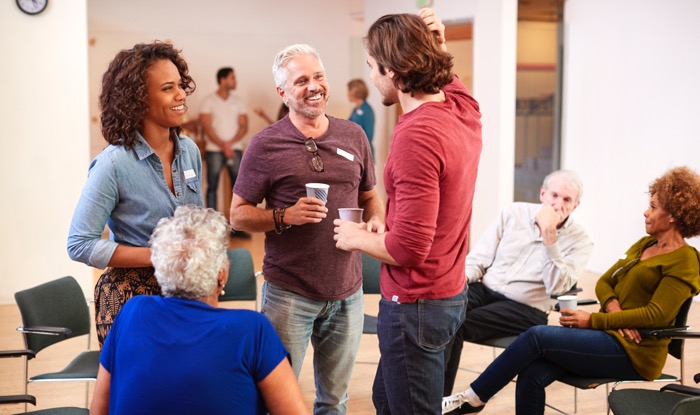
With busy lives, it can be hard to find time to volunteer. However, the benefits of volunteering are enormous to you, your family, and your community. The right match can help you find friends, reach out to the community, learn new skills, and even advance your career. Volunteering can also help protect your mental and physical health. Learn more about the many benefits of volunteering and find tips on getting started as a volunteer.
One of the better-known benefits of volunteering is the impact on the community. Unpaid volunteers are often the glue that holds a community together. Volunteering allows you to connect to your community and make it a better place. However, volunteering is a two-way street, and it can benefit you and your family as much as the cause you choose to help. Dedicating your time as a volunteer helps you make new friends, expand your network, and boost your social skills.
One of the best ways to make new friends and strengthen existing relationships is to commit to a shared activity together. Volunteering is a great way to meet new people, especially if you are new to an area. Volunteering also strengthens your ties to the community and broadens your support network, exposing you to people with common interests, neighborhood resources, and fun and fulfilling activities.
While some people are naturally outgoing, others are shy and have a hard time meeting new people. Volunteering gives you the opportunity to practice and develop your social skills, since you are meeting regularly with a group of people with common interests. Once you have momentum, it’s easier to branch out and make more friends and contacts.
While it might be a challenge to coordinate everyone’s schedules, volunteering as a family has many worthwhile benefits. Children watch everything you do. By giving back to the community, you show them firsthand how volunteering makes a difference and how good it feels to help others and enact change. It’s also a valuable way for you to get to know organizations in the community and find resources and activities for your children and family.
Volunteering provides many benefits to both mental and physical health.
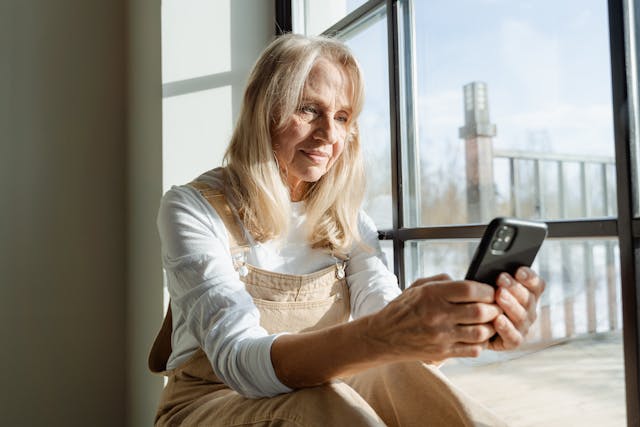
Whether due to a lack of transportation, time constraints, a disability or other reasons, many people prefer to volunteer via phone or computer. There are many projects where you can help. Writing and graphic design lends itself to working at home, and in today’s digital age many organizations might also need help with email and websites.
If you think home-based volunteering might be right for you, contact organizations you like and ask what some of the possibilities might be. Some volunteer organizations may require you to attend an initial training or periodical meetings. You also want to make sure that you are getting enough social contact, and that the organization is available to support you should you have questions.
Helping others kindles happiness, as many studies have demonstrated. When researchers at the London School of Economics examined the relationship between volunteering and measures of happiness in a large group of American adults, they found the more people volunteered, the happier they were, according to a study in Social Science and Medicine. Compared with people who never volunteered, the odds of being “very happy” rose 7% among those who volunteer monthly and 12% for people who volunteer every two to four weeks. Among weekly volunteers, 16% felt very happy—a hike in happiness comparable to having an income of $75,000–$100,000 versus $20,000, say the researchers. Giving time to religious organizations had the greatest impact.
Adapted with permission from Simple Changes, Big Rewards: A Practical, Easy Guide for Healthy, Happy Living, a special health report published by Harvard Health Publications.
If you’re considering a new career, volunteering can help you get experience in your area of interest and meet people in the field. Even if you’re not planning on changing careers, volunteering gives you the opportunity to practice important skills used in the workplace, such as teamwork, communication, problem solving, project planning, task management, and organization. You might feel more comfortable stretching your wings at work once you’ve honed these skills in a volunteer position first.
Volunteering offers you the chance to try out a new career without making a long-term commitment. It is also a great way to gain experience in a new field. In some fields, you can volunteer directly at an organization that does the kind of work you’re interested in. For example, if you’re interested in nursing, you could volunteer at a hospital or a nursing home. Your volunteer work might also expose you to professional organizations or internships that could be of benefit to your career.
Just because volunteer work is unpaid does not mean the skills you learn are basic. Many volunteering opportunities provide extensive training. For example, you could become an experienced crisis counselor while volunteering for a women’s shelter or a knowledgeable art historian while donating your time as a museum docent.
Volunteering can also help you build upon skills you already have and use them to benefit the greater community. For instance, if you hold a successful sales position, you raise awareness for your favorite cause as a volunteer advocate, while further developing and improving your public speaking, communication, and marketing skills.
When it comes to volunteering, passion and positivity are the only requirements
While learning new skills can be beneficial to many, it’s not a requirement for a fulfilling volunteer experience. Bear in mind that the most valuable skills you can bring to any volunteer effort are compassion, an open mind, a willingness to do whatever is needed, and a positive attitude.
Volunteering is a fun and easy way to explore your interests and passions. Doing volunteer work you find meaningful and interesting can be a relaxing, energizing escape from your day-to-day routine of work, school, or family commitments. Volunteering also provides you with renewed creativity, motivation, and vision that can carry over into your personal and professional life.
Many people volunteer in order to make time for hobbies outside of work as well. For instance, if you have a desk job and long to spend time outdoors, you might consider volunteering to help plant a community garden, lead local hikes, or help at a children’s camp.
You will have a richer and more enjoyable volunteering experience if you first take some time to identify your goals and interests. Start by thinking about why you want to volunteer. Also think about what you would enjoy doing. Volunteer opportunities that match both your goals and your interests are most likely to be fun and fulfilling for you.
First, ask yourself if there is something specific you want to do.
For example, do I want…
…to make it better around where I live
…to meet people who are different from me
…to try something new
…to do something with my spare time
…to see a different way of life and new places
…to have a go at the type of work I might want to do as a full-time job
…to do more with my interests and hobbies
…to do something I’m good at
The best way to volunteer is to match your personality and interests. Having answers to these questions will help you narrow down your search.
Source: World Volunteer Web
There are numerous volunteer opportunities available. The key is to find a volunteer position that you would enjoy and are capable of doing. It’s also important to make sure that your commitment matches the organization’s needs. The following questions can help you narrow your options:
In your search for the right volunteer opportunity, don’t limit yourself to just one organization or one specific type of job. Sometimes an opportunity looks great on paper, but the reality is quite different. Try to visit different organizations and get a feel for what they are like and if you click with other staff and volunteers. The more satisfaction you have as a volunteer, the better your contributions and the more likely you’ll continue.
You’re donating your valuable time, so it’s important that you enjoy and benefit from your volunteering. It’s important to make sure that your volunteer position is a good fit and to communicate with the people you’re working with in the volunteer organization.
Enjoy yourself. Most importantly, make sure you’re having fun! The best volunteer experiences benefit both the volunteer and the organization. If you’re not enjoying yourself, ask yourself why. Is it the tasks you’re performing? The people you’re working with? Or are you uncomfortable simply because the situation is new and familiar? Pinpointing what’s bothering you can help you decide how to proceed.



.svg)

.svg)


.jpg)
.jpg)

.svg)



.svg)
.svg)